







How to Read an Incorrect Test Answer and Determine Whether the Question, Knowledge, or Attention Is at Fault

Analysing incorrect answers accelerates material mastery and protects against repeat mistakes on the state examination. Mechanically solving subsequent sets of questions rarely yields results if the student does not know why a specific error occurred. Identifying the cause of a mistake saves dozens of hours of ineffective study. A conscious approach to every improper choice builds a solid foundation for subsequent driving in road traffic.
How to distinguish a knowledge gap from rushing?
An incorrect answer stems from a knowledge gap when, after reading the definition, the student still does not understand the applied regulation. Such a situation demands an immediate return to the textbook. Rushing, on the other hand, manifests in skipping a keyword or failing to watch a short video clip carefully. Misinterpretation occurs when a choice aligns with colloquial understanding of a situation, but contradicts standards described in the highway code.
On the Smart Testy e-learning portal, the system precisely records the history of completed test sets and mistakes made. Such a feature makes it easy to check in which thematic categories the student errs most frequently. Analysing recurring mistakes facilitates a quick diagnosis of the problem. Catching a specific weak point – for instance, right-of-way rules – confirms the necessity to reinforce fundamentals from that section of material.
Most common linguistic and visual traps in questions
The greatest difficulty is posed by options containing negations, additional conditions, and multimedia materials. A question with a negative word requires careful reading to see whether the system asks about an action that is categorically prohibited or conditionally permitted. Videos and photos from the official database of the Ministry of Infrastructure add essential spatial context. These elements force the viewer to simultaneously evaluate the behaviour of other road users and analyze visible infrastructure.
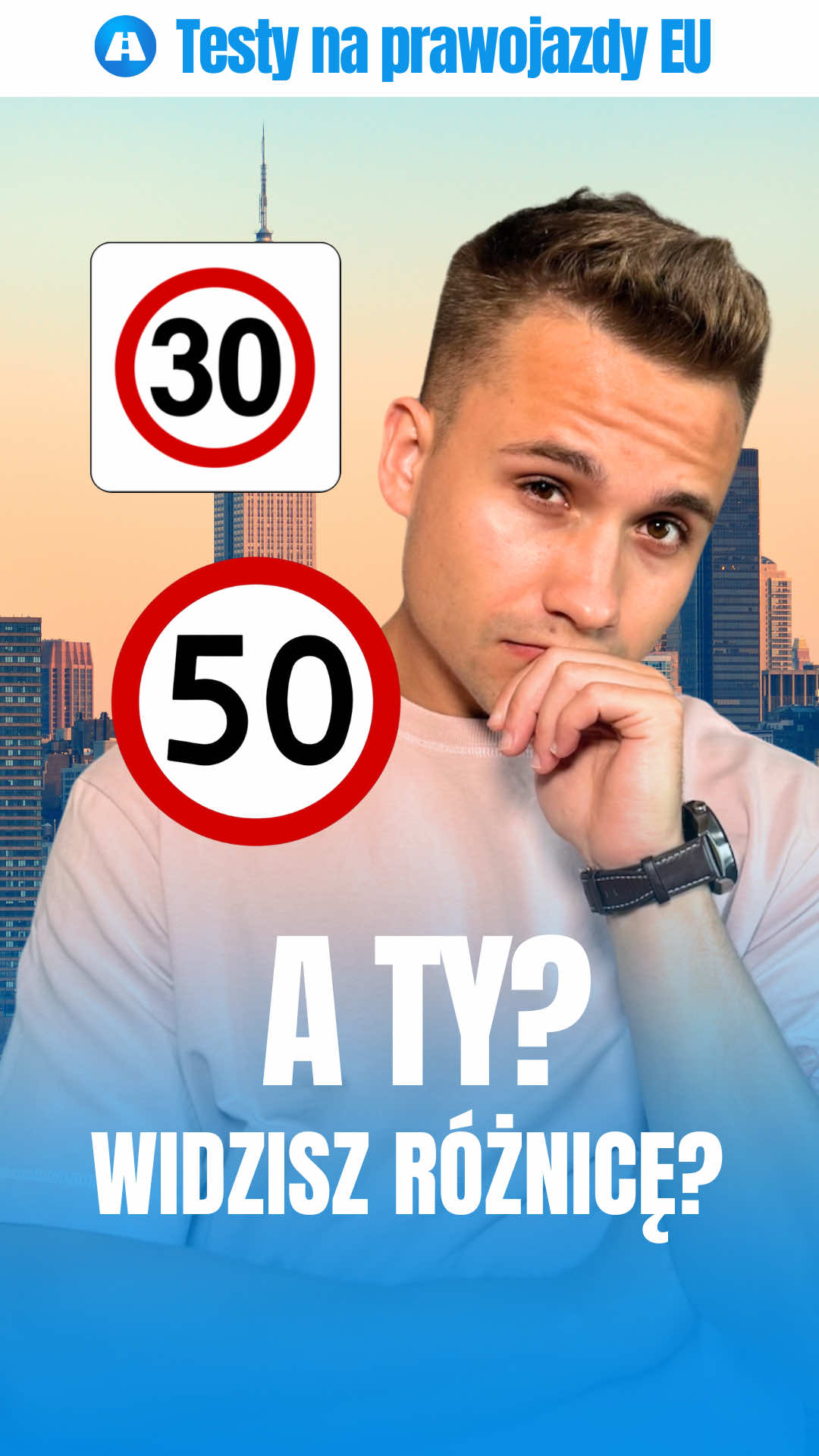
Answers that differ by only a single minor detail effectively mislead those who rely on their first thought. A difference of a dozen metres in distance or a minimal change in permissible speed completely alters the meaning of the entire problem. This phenomenon most commonly affects people who try to memorise correct options visually rather than analysing the actual meaning of the questions asked.
How to analyse an incorrect choice during a test?
When solving driving licence tests, after every mistake you must strictly return to the full text of the question. Identifying the main keywords reveals immediately where concentration drifted. Juxtaposing your own decision with the correct explanation verifies your reasoning logic in a fraction of a second. The method of eliminating evidently incorrect options works excellently for topics with multiple complex road conditions.
Explanations displayed on screen provide the specific legal basis to make understanding the error easier. Indicating the precise article of the Road Traffic Law directs attention to the broader context of a given regulation. Instructors recommend noting down the numbers of questions causing the greatest difficulty. Such a log allows creating an individual list of weak points before scheduling the internal exam date.
When do mistakes indicate a broader problem?
A single mistake retains a purely random character as long as it does not recur in subsequent randomly drawn sets. A broader problem is signalled by a series of at least three errors in exactly the same topic section. This phenomenon commonly occurs when learning right-of-way rules at uncontrolled intersections or when reading unusual road signs.
What to remember from reviewing incorrect answers?
A conscious approach to analysing mistakes drastically shortens total preparation time for the state theory exam. Systematic and effective work with the database requires observing several specific rules:
- Checking explanations and verifying the legal basis after each missed choice on screen.
- Carefully watching for hidden conditions, negative words, and signs visible in the background of recordings.
- Distinguishing a temporary lapse in concentration from an actual gap in knowledge of the rules.
A structured model of knowledge acquisition builds ultimate confidence behind the wheel. Information gained this way stays in mind much longer than that memorised purely by rote. Understanding the mechanism behind the rules pays off during the first practical hours with an instructor.
Analysing the causes of mistakes in driving licence practice tests allows for precise separation of temporary lapses in concentration from real gaps in knowledge of regulations. The most common traps are negations in questions and fine details in video materials. Systematic verification of the legal basis after every mistake and comparing results with the textbook effectively eliminates recurring mistakes. Conscious practice with the question database builds confidence before the state exam.
FAQ
How does the process of elimination facilitate solving difficult driving tests?
Discarding clearly incorrect options works brilliantly with complex problems and extended road scenarios at intersections. Eliminating illogical options not only increases the chance of a correct choice, but also teaches the student analytical thinking. This is a much more effective state exam preparation strategy than trying to guess answers.
How do negations in exam questions affect the final score?
Negations alter the direction of the question, which with mechanical reading often leads to selecting the option opposite to the correct one. Students frequently miss the word “not”, resulting in an incorrect assessment of the permissibility of a given manoeuvre on the road. Carefully reading every word in the task statement is crucial to avoiding this common linguistic trap.
What should be done if a test error concerns a complex situation on a video clip?
Replay the clip, focusing on background elements such as road signs or the behaviour of other road users. Often an error results from observing only one vehicle while ignoring infrastructure visible in the distance. Juxtaposing the video with expert commentary in the system helps understand the dynamics and right-of-way rules in a given situation.
How can you use the question database most effectively to avoid memorising by rote?
An effective method is checking the article number from the Road Traffic Law assigned to the specific question each time. Rather than memorising what the screen looks like, analyse the logical justification of the correct choice based on applicable norms. Such an approach ensures that knowledge will be applied correctly even with altered question phrasing on the exam.